
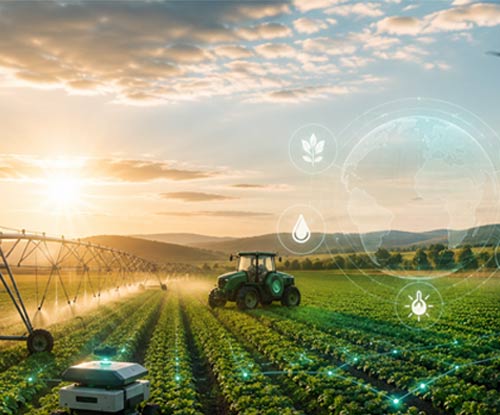
Agriculture has always evolved alongside human innovation. From traditional farming tools to mechanized equipment and modern agricultural machinery, every technological advancement has changed the way food is produced. Today, the agricultural industry is entering a new era driven by digital technologies. Digital farming represents the integration of advanced technologies such as artificial intelligence, Internet of Things (IoT), robotics, satellite imagery, cloud computing, and big data analytics to create smarter and more efficient farming systems.
The future of digital farming is focused on transforming agriculture from experience-based decision-making into a data-driven industry. Instead of relying only on traditional knowledge, farmers can now use real-time information to understand crop conditions, predict risks, optimize resources, and increase productivity.
As global challenges such as climate change, population growth, and resource limitations continue to affect food production, digital farming provides innovative solutions for creating a more sustainable and resilient agricultural system.
Understanding Digital Farming
Digital farming refers to the use of digital technologies to collect, analyze, and apply agricultural data. Unlike traditional farming methods, which often treat entire fields in the same way, digital farming allows farmers to manage every part of their operation with greater precision.
Digital farming systems collect information from multiple sources, including:
- Soil sensors
- Weather stations
- Satellites
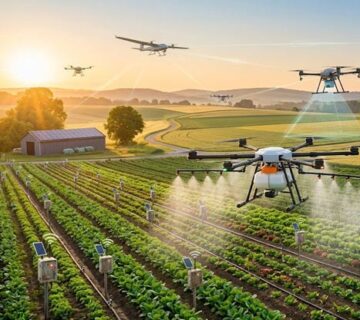
- Drones
- Smart machinery
- Mobile applications
- Farm management software
This information is processed through advanced analytical systems to provide valuable insights and recommendations.
For example, a digital farming platform can analyze soil moisture data and weather forecasts to determine the ideal irrigation schedule. It can also identify areas of poor crop performance and suggest specific actions to improve productivity.
Artificial Intelligence in the Future of Farming
Artificial intelligence will play one of the most important roles in the future development of digital agriculture. AI systems can analyze massive amounts of agricultural data and identify patterns that humans may not easily recognize.
One major application of AI is predictive agriculture. AI algorithms can forecast:
- Crop diseases
- Weather risks
- Pest outbreaks
- Market trends
- Expected yields
By predicting potential problems before they occur, farmers can take preventive actions and reduce losses.
AI-powered systems can also automate decision-making processes. For example, an intelligent farming platform can analyze crop conditions and automatically adjust irrigation, fertilizer application, or pest management strategies.
This shift from reactive farming to predictive farming will significantly improve efficiency and sustainability.
Automation and Robotics in Digital Agriculture
Automation is another key element shaping the future of digital farming. Labor shortages and increasing production demands are encouraging farmers to adopt robotic technologies.
Autonomous tractors, robotic harvesters, and automated planting machines are becoming more advanced and capable of performing complex agricultural tasks.
Robots can operate with high precision and consistency, reducing human effort and improving productivity. For example, robotic systems can identify and remove weeds individually instead of applying herbicides across an entire field.
Future agricultural robots may work continuously with minimal human supervision, creating highly automated farming environments.
The Importance of Big Data in Agriculture
Data has become one of the most valuable resources in modern farming. Every digital device used on a farm generates information that can improve decision-making.
Big data technologies allow farmers to analyze:
- Historical crop performance
- Environmental conditions
- Soil characteristics
- Resource consumption
- Equipment efficiency
By combining different data sources, digital farming platforms can create detailed models of agricultural operations.
These insights help farmers understand what strategies work best and how they can improve future production.
Smart Farming and Sustainable Agriculture
One of the biggest advantages of digital farming is its ability to support environmental sustainability.
Traditional agricultural practices may lead to excessive water consumption, soil degradation, and unnecessary chemical usage. Digital farming technologies help reduce these negative impacts by improving resource efficiency.
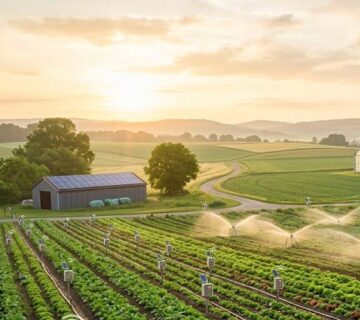
Smart irrigation systems deliver water based on actual crop requirements. Precision fertilizer systems apply nutrients only where they are needed. AI-based monitoring reduces unnecessary pesticide usage.
These improvements help protect natural resources while maintaining high agricultural productivity.
The Role of Satellite Technology and Remote Monitoring
Satellite technology is becoming increasingly important in digital farming. Satellites provide detailed information about large agricultural areas and help farmers monitor changes over time.
Satellite imagery can reveal:
- Crop health variations
- Water stress
- Soil conditions
- Weather impacts
This technology allows farmers to manage large farms more effectively without physically inspecting every area.
Combined with AI analysis, satellite data can provide accurate recommendations for improving agricultural performance.
Challenges Facing Digital Farming
Although digital farming offers many advantages, several challenges must be addressed.
One of the main challenges is the cost of implementing advanced technologies. Small-scale farmers may struggle to afford sensors, automated machinery, and digital platforms.
Another challenge is digital literacy. Farmers need proper training to understand and effectively use new technologies.
Connectivity is also a major issue. Many rural areas still lack reliable internet infrastructure, limiting access to digital farming solutions.
Data security is another important concern. Protecting agricultural data from unauthorized access will become increasingly important as farms become more connected.
The Future Vision of Digital Farming
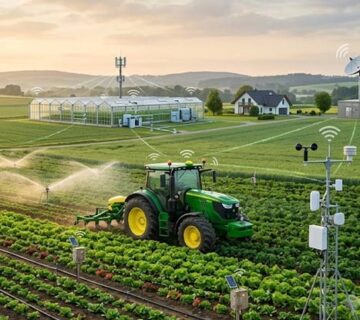
The future of digital farming will likely involve fully connected agricultural ecosystems where machines, sensors, and artificial intelligence systems communicate continuously.
Future farms may use autonomous equipment that plants, monitors, and harvests crops with minimal human involvement. AI platforms may provide farmers with complete recommendations for managing every stage of production.
Digital farming will also support personalized agriculture, where every crop receives exactly the resources it needs based on real-time conditions.
As technology continues to advance, farming will become more intelligent, efficient, and sustainable.
Conclusion
The future of digital farming represents a major transformation in the agricultural industry. By combining artificial intelligence, automation, IoT, robotics, and data analytics, digital farming enables farmers to produce more food while using fewer resources.
This technological revolution will help address some of the biggest challenges facing global agriculture, including climate change, resource shortages, and increasing food demand.
Digital farming is not simply the future of agriculture; it is becoming the foundation of a smarter and more sustainable food production system.


No comment