
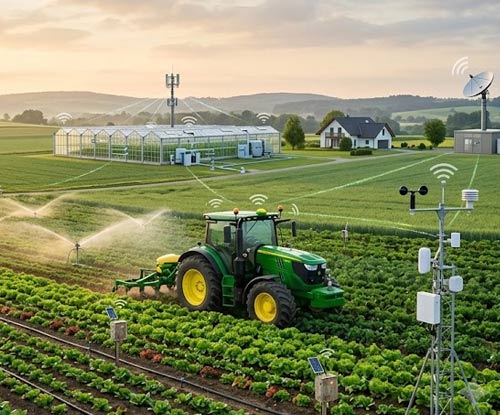
Water is one of the most valuable resources in agriculture, yet traditional irrigation methods often result in significant water waste. As climate change, population growth, and water scarcity continue to challenge global food production, farmers are searching for more efficient ways to manage irrigation. Smart irrigation systems have emerged as an innovative solution that combines technology, automation, and data analysis to optimize water usage and improve agricultural productivity.
Unlike conventional irrigation methods that operate according to fixed schedules, smart irrigation systems use real-time information from sensors, weather data, and advanced algorithms to determine exactly when and how much water crops need. This approach ensures that plants receive the right amount of water at the right time while reducing unnecessary consumption.
Smart irrigation is becoming a key component of modern agriculture, especially in precision farming environments where efficiency and sustainability are essential.
What Are Smart Irrigation Systems?
Smart irrigation systems are advanced watering technologies designed to automate and optimize irrigation processes. These systems rely on digital tools such as soil moisture sensors, weather monitoring devices, Internet of Things (IoT) technology, and artificial intelligence to make accurate irrigation decisions.
Traditional irrigation systems usually provide the same amount of water to an entire field regardless of differences in soil conditions, plant requirements, or weather conditions. In contrast, smart irrigation systems analyze specific environmental factors and adjust water delivery accordingly.
For example, if one section of a farm has higher moisture levels due to recent rainfall, the system can reduce irrigation in that area. Meanwhile, areas with dry soil can receive additional water. This targeted approach improves plant health while minimizing water waste.
Key Technologies Behind Smart Irrigation
Several advanced technologies work together to create efficient smart irrigation solutions.
Soil Moisture Sensors
Soil moisture sensors are among the most important components of smart irrigation systems. These sensors continuously measure the amount of water available in the soil and send real-time information to the irrigation controller.
By understanding actual soil conditions, farmers can avoid overwatering or underwatering crops. This improves root development, prevents water-related plant diseases, and reduces unnecessary water consumption.
Weather-Based Irrigation
Modern smart irrigation systems integrate weather forecasting data to make better decisions. Weather information such as temperature, humidity, rainfall probability, and evaporation rates helps determine irrigation requirements.
For example, if heavy rainfall is expected, the system can automatically delay irrigation. This prevents water waste and reduces operational costs.
Internet of Things (IoT) Integration
IoT technology allows different agricultural devices to communicate with each other. Sensors, pumps, irrigation valves, and control systems can exchange information through connected networks.
Farmers can monitor and control irrigation remotely using smartphones, tablets, or computers. This provides greater flexibility and allows immediate responses to changing conditions.
Artificial Intelligence and Data Analytics
Artificial intelligence enhances smart irrigation by analyzing large amounts of agricultural data. AI algorithms can identify patterns, predict future water requirements, and recommend optimal irrigation schedules.
Over time, AI systems learn from previous irrigation activities and environmental conditions, improving their accuracy and efficiency.
Benefits of Smart Irrigation Systems
Significant Water Savings
One of the biggest advantages of smart irrigation is reduced water consumption. Traditional irrigation methods often waste water due to evaporation, runoff, or excessive watering.
Smart systems deliver water precisely where and when it is needed. Studies have shown that automated irrigation technologies can significantly reduce agricultural water usage while maintaining or improving crop productivity.
Improved Crop Growth
Plants require specific amounts of water at different growth stages. Smart irrigation systems provide consistent moisture conditions that support healthier plant development.
Proper irrigation improves nutrient absorption, strengthens root systems, and increases crop quality.
Lower Operational Costs
Although smart irrigation systems require an initial investment, they can reduce long-term expenses. Lower water usage, reduced energy consumption, and decreased labor requirements contribute to financial savings.
Farmers spend less time manually checking irrigation conditions because automated systems handle many tasks independently.
Environmental Sustainability
Smart irrigation supports sustainable agriculture by reducing pressure on freshwater resources. Efficient water management helps protect ecosystems and promotes responsible farming practices.
Additionally, optimized irrigation reduces soil erosion and prevents problems caused by excessive moisture.
Applications of Smart Irrigation Systems
Smart irrigation technology is used in various agricultural environments, including:
Large-Scale Farms
Commercial farms use smart irrigation systems to manage thousands of hectares of crops efficiently. Automated monitoring allows farmers to maintain productivity while reducing resource consumption.
Greenhouses
Greenhouses require precise environmental control. Smart irrigation systems help maintain ideal moisture levels and support year-round crop production.
Urban Agriculture
Cities increasingly use smart irrigation solutions for rooftop gardens, community farms, and landscaping projects. These systems help conserve water in areas where resources are limited.
Residential Gardening
Smart irrigation is also becoming popular among homeowners. Automated garden irrigation systems adjust watering schedules based on weather conditions and plant requirements.
Challenges of Smart Irrigation Adoption
Despite their advantages, smart irrigation systems face several challenges. The initial installation cost can be high, especially for small-scale farmers. Sensors, controllers, and network infrastructure require investment.
Technical knowledge is another challenge. Farmers need training to operate and maintain advanced irrigation technologies effectively.
Connectivity limitations may also affect performance in rural areas where internet access is unreliable.
The Future of Smart Irrigation Technology
The future of smart irrigation will be strongly influenced by artificial intelligence, robotics, and advanced data analytics. Future systems will become more autonomous and capable of making complex decisions without human intervention.
AI-powered irrigation platforms may integrate satellite imagery, climate models, and crop growth analysis to provide highly accurate recommendations.
As water scarcity becomes a growing global concern, smart irrigation systems will play a critical role in creating sustainable food production systems.
Conclusion
Smart irrigation systems represent a major advancement in agricultural technology. By combining sensors, automation, IoT connectivity, and artificial intelligence, these systems help farmers use water more efficiently and improve crop productivity.
As agriculture faces increasing environmental challenges, smart irrigation provides a practical solution for sustainable water management. The adoption of these technologies will continue to grow, transforming traditional farming into a more intelligent and resource-efficient industry.


No comment